Materials Used in Bulletproof Vehicle Manufacturing
1. Ballistic Steel and High-Strength Steel Alloys
Ballistic steel remains a cornerstone of armored vehicle manufacturing due to its exceptional hardness, toughness, and ability to withstand high-velocity impacts. Specialized alloys, often heat-treated through quenching and tempering, include elements like chromium, nickel, and molybdenum for enhanced performance. These steels are cut precisely and welded into vehicle frames, providing 360-degree protection including floors and roofs. While durable and cost-effective, they add significant weight, impacting fuel efficiency and handling. In civilian armored cars, ballistic steel is commonly used in doors, pillars, and underbody panels for reliable defense against handgun and rifle rounds.

2. Bulletproof Glass (Transparent Armor)
Windows in bulletproof vehicles use multi-layered transparent armor, typically combining polycarbonate with glass layers bonded by polyvinyl butyral (PVB) interlayers. This laminated structure absorbs impact energy, preventing penetration while maintaining visibility. Advanced versions include glass-clad polycarbonate for curved designs, offering protection up to high-caliber threats. The glass resists shattering into dangerous shards, crucial for occupant safety. Thickness varies by protection level, from 20mm for handgun resistance to over 70mm for rifle threats. Proper sealing and framing ensure no weak points.
![Bulletproof Glass: Ballistic and Bullet Resistant Glass [GUIDE]](https://armormax.com/wp-content/uploads/2021/06/Ballistic-Bulletproof-Glass-1200x900.jpg)

3. Aramid Fibers (Kevlar and Similar)
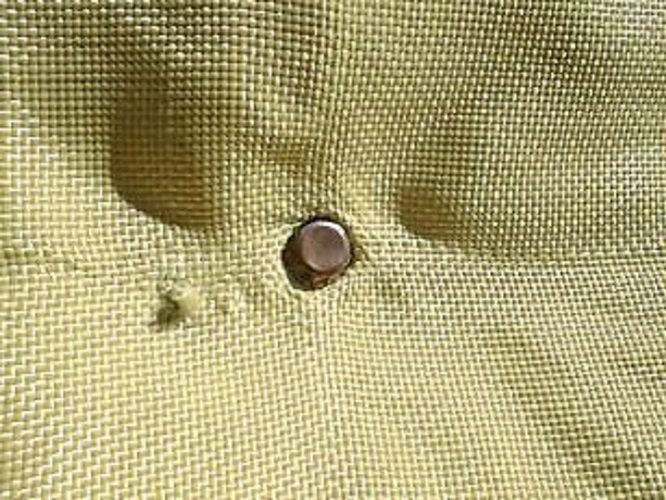
Aramid fibers like Kevlar provide lightweight, flexible ballistic protection, often used as spall liners inside armored vehicles to catch fragments from impacts on outer armor. These synthetic fibers excel at absorbing kinetic energy through their high tensile strength. In vehicles, Kevlar panels or fabrics line interiors, reducing spall (fragments) risks from bullets striking metal. Combined with metals or ceramics, they enhance crew survivability against IEDs and EFPs. Their flame resistance adds value in combat scenarios.

4. Ultra-High Molecular Weight Polyethylene (UHMWPE)
UHMWPE, branded as Dyneema or Spectra, offers superior strength-to-weight ratio—up to 15 times stronger than steel yet much lighter. Used in composite panels or as backing material, it distributes impact energy efficiently. In modern armored vehicles, UHMWPE reduces overall weight compared to steel-only designs, improving performance and fuel economy. It's ideal for add-on armor or lightweight protection upgrades.
5. Ceramics (Alumina, Silicon Carbide, Boron Carbide)
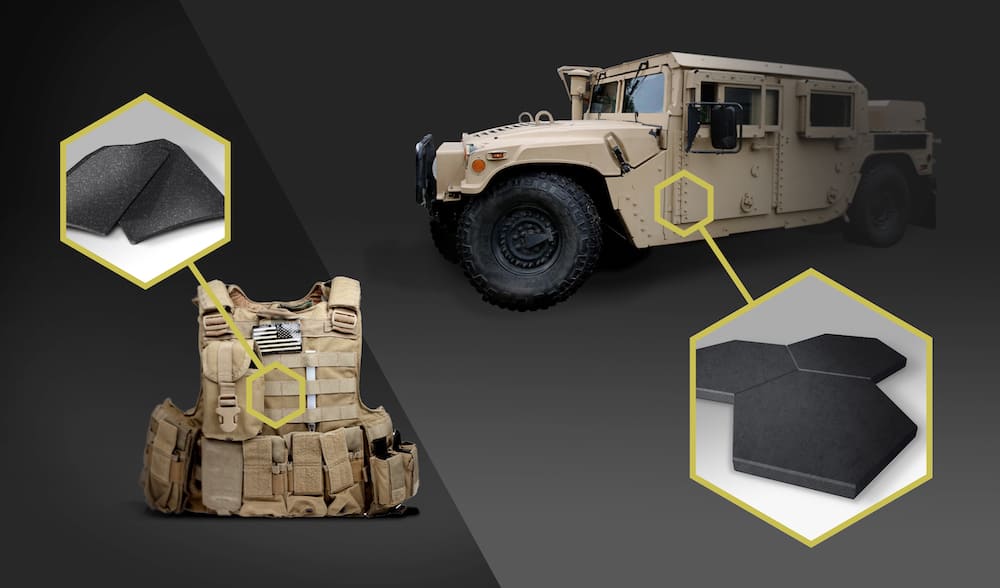
Ceramic materials provide hard, lightweight protection by fracturing projectiles on impact and absorbing energy. Common types include alumina for cost-effectiveness, silicon carbide for high-end military use, and boron carbide for maximum hardness. Ceramics are layered with backing materials like composites or metals in composite armor systems. They excel against armor-piercing rounds and are used in vehicle add-on plates or integrated panels, offering better weight savings than steel while maintaining high protection levels.

6. Composite and Advanced Materials
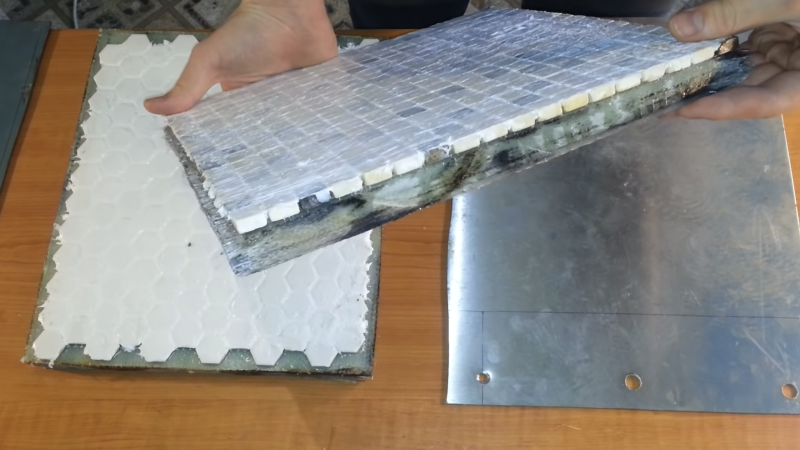
Modern bulletproof vehicles increasingly rely on composite armor combining ceramics, metals, polymers, and fibers for optimized performance. These layered systems provide multi-hit capability with reduced weight. Carbon fiber and titanium alloys appear in specialized applications for extreme lightness and strength. Run-flat tires and reinforced suspensions complement these materials to handle added weight.
Conclusion
The evolution of materials in bulletproof vehicle manufacturing—from heavy ballistic steel to advanced composites and ceramics—has dramatically improved protection while addressing weight and mobility concerns. Manufacturers select combinations based on threat levels, vehicle type, and operational needs. For insights into specialized armored vehicles like the F550 anti-riot model, explore this detailed post on the F550 Anti-Riot Armored Vehicle Factory. Staying informed on these materials ensures better security solutions in an uncertain world. (Total word count: approximately 1020)
Materials Used in Bulletproof Vehicle Manufacturing
Bulletproof vehicles, also known as armored vehicles, provide essential protection in high-risk environments for military, law enforcement, VIP transport, and civilian security. The key to their effectiveness lies in the advanced materials that absorb, deflect, or dissipate the energy from ballistic threats like bullets, shrapnel, or explosives. Modern manufacturing combines traditional heavy-duty options with lightweight composites to balance protection, weight, and mobility. This article explores the primary materials used in bulletproof vehicle production, their properties, and applications. (Word count approx: 105)
1. Ballistic Steel and High-Strength Steel Alloys Ballistic steel remains a cornerstone of armored vehicle manufacturing due to its exceptional hardness, toughness, and ability to withstand high-velocity impacts. Specialized alloys, often heat-treated through quenching and tempering, include elements like chromium, nickel, and molybdenum for enhanced performance. These steels are cut precisely and welded into vehicle frames, providing 360-degree protection including floors and roofs. While durable and cost-effective, they add significant weight, impacting fuel efficiency and handling. In civilian armored cars, ballistic steel is commonly used in doors, pillars, and underbody panels for reliable defense against handgun and rifle rounds. Ballistic Steel: All You Need to Know About It! jcblarmouringsolutions.com Ballistic Steel: All You Need to Know About It! 2. Bulletproof Glass (Transparent Armor) Windows in bulletproof vehicles use multi-layered transparent armor, typically combining polycarbonate with glass layers bonded by polyvinyl butyral (PVB) interlayers. This laminated structure absorbs impact energy, preventing penetration while maintaining visibility. Advanced versions include glass-clad polycarbonate for curved designs, offering protection up to high-caliber threats. The glass resists shattering into dangerous shards, crucial for occupant safety. Thickness varies by protection level, from 20mm for handgun resistance to over 70mm for rifle threats. Proper sealing and framing ensure no weak points. Bulletproof Glass: Ballistic and Bullet Resistant Glass [GUIDE] armormax.com Bullet-Resistant Glass: Advanced Protection by Kratos | Kratos Glass kratosglass.com 3. Aramid Fibers (Kevlar and Similar) Aramid fibers like Kevlar provide lightweight, flexible ballistic protection, often used as spall liners inside armored vehicles to catch fragments from impacts on outer armor. These synthetic fibers excel at absorbing kinetic energy through their high tensile strength. In vehicles, Kevlar panels or fabrics line interiors, reducing spall (fragments) risks from bullets striking metal. Combined with metals or ceramics, they enhance crew survivability against IEDs and EFPs. Their flame resistance adds value in combat scenarios. Kevlar 29 Style 745 Ballistic Grade Fabric Swatch 12" x 9" | ArmorCo armorco.com Manufacture bullet proof kevlar fabric with high quality karboncomposites.com 4. Ultra-High Molecular Weight Polyethylene (UHMWPE) UHMWPE, branded as Dyneema or Spectra, offers superior strength-to-weight ratio—up to 15 times stronger than steel yet much lighter. Used in composite panels or as backing material, it distributes impact energy efficiently. In modern armored vehicles, UHMWPE reduces overall weight compared to steel-only designs, improving performance and fuel economy. It's ideal for add-on armor or lightweight protection upgrades. 5. Ceramics (Alumina, Silicon Carbide, Boron Carbide) Ceramic materials provide hard, lightweight protection by fracturing projectiles on impact and absorbing energy. Common types include alumina for cost-effectiveness, silicon carbide for high-end military use, and boron carbide for maximum hardness. Ceramics are layered with backing materials like composites or metals in composite armor systems. They excel against armor-piercing rounds and are used in vehicle add-on plates or integrated panels, offering better weight savings than steel while maintaining high protection levels. Ceramic Composite Development for Defense Armor Applications ... defenseadvancement.com Armour Plates for effective ballistic protection | Multotec multotec.com 6. Composite and Advanced Materials Modern bulletproof vehicles increasingly rely on composite armor combining ceramics, metals, polymers, and fibers for optimized performance. These layered systems provide multi-hit capability with reduced weight. Carbon fiber and titanium alloys appear in specialized applications for extreme lightness and strength. Run-flat tires and reinforced suspensions complement these materials to handle added weight. Bullet-proofing Your Car With An Affordable Composite Armor | Hackaday hackaday.com Our Process | INKAS Armored Vehicles, Bulletproof Cars, Special ... inkasarmored.com Conclusion The evolution of materials in bulletproof vehicle manufacturing—from heavy ballistic steel to advanced composites and ceramics—has dramatically improved protection while addressing weight and mobility concerns. Manufacturers select combinations based on threat levels, vehicle type, and operational needs. For insights into specialized armored vehicles like the F550 anti-riot model, explore this detailed post on the F550 Anti-Riot Armored Vehicle Factory. Staying informed on these materials ensures better security solutions in an uncertain world. (Total word count: approximately 1020)


评论
发表评论