Armored Vehicles for High-Risk Areas in the Middle East: Essential Protection
Armored Vehicles for High-Risk Areas in the Middle East: Essential Protection in Volatile Regions
The Middle East, with its complex geopolitical landscape, remains one of the world's most high-risk areas for security threats. From ongoing conflicts in Yemen and Syria to potential instability in Iraq and beyond, individuals, corporations, and governments operating in these regions require robust protection. Armored vehicles have become indispensable tools for ensuring safety amid ballistic threats, improvised explosive devices (IEDs), and ambushes. This article explores the importance of armored vehicles in the Middle East, key features to consider, top models, and emerging trends as of 2026. Whether for VIP transport, humanitarian missions, or military operations, investing in reliable armored solutions can mean the difference between life and death.
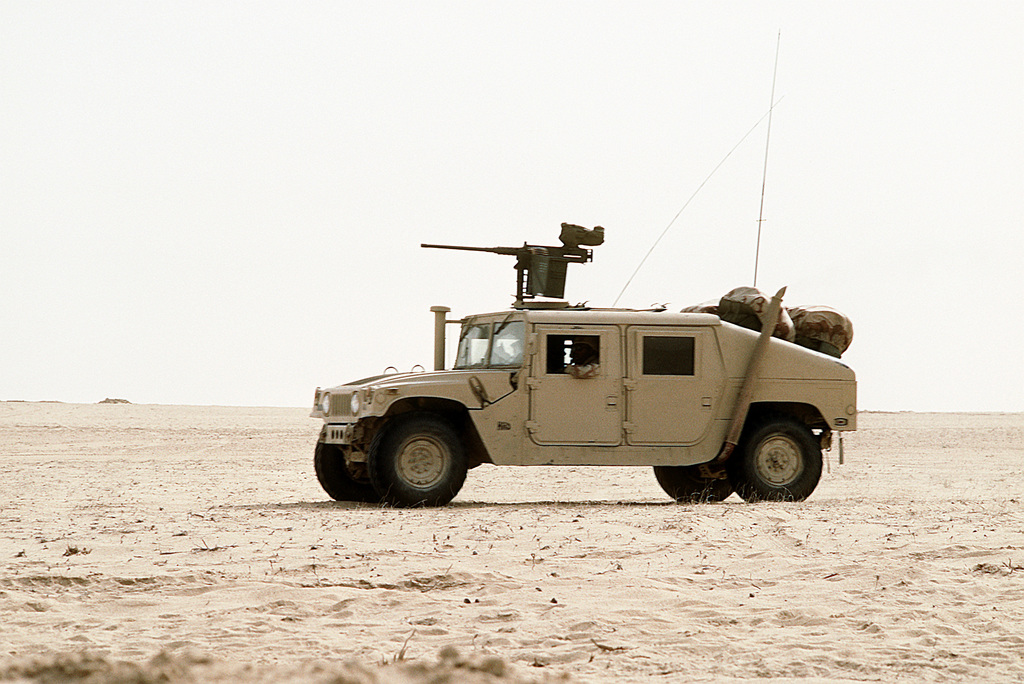
For those seeking customized options, consider exploring projects like the armored car modifications that blend luxury with top-tier protection.
The Need for Armored Vehicles in the Middle East
The Middle East's high-risk environments demand vehicles that can withstand extreme conditions. According to industry reports, demand for armored vehicles in the region has surged due to persistent threats from insurgent groups, terrorist organizations, and regional rivalries. Countries like the United Arab Emirates (UAE), Saudi Arabia, and Israel are hubs for armored vehicle manufacturing and deployment. For instance, the UAE hosts companies like Artan Armored and Harrow Security, which specialize in bulletproof solutions tailored to desert terrains and urban warfare.
In Yemen, where civil war rages on, armored cars are crucial for NGO workers and journalists navigating conflict zones. Similarly, in Iraq and Syria, government officials and private security firms rely on these vehicles to mitigate risks from roadside bombs and sniper fire. Recent U.S. Army deployments of heavy combat vehicles like the M1 Abrams tank and Bradley Fighting Vehicle underscore the ongoing need for armored assets in the region, providing heavy firepower and infantry support in volatile areas.
Statistics from 2025 indicate that over 60% of security incidents in the Middle East involve vehicular attacks, making armored protection a non-negotiable for high-value targets. Humanitarian organizations, such as those operating under the UN, often use armored SUVs for safe passage in refugee camps and war-torn cities.
Key Features of Effective Armored Vehicles
When selecting an armored vehicle for Middle Eastern operations, several features are paramount. These ensure survivability in harsh deserts, rugged mountains, and crowded urban centers.
- Ballistic Protection Levels: Vehicles should meet standards like CEN B6/B7 or NIJ Level IV, capable of stopping high-caliber rounds and shrapnel. Reinforced glass, steel plating, and composite armor are standard.
- Blast Resistance: Underbody protection against IEDs and mines is critical, often incorporating V-shaped hulls to deflect blasts.
- Mobility and Terrain Adaptability: Four-wheel drive, high ground clearance, and reinforced tires (run-flat) allow navigation through sand dunes and rocky paths common in the Arabian Peninsula.
- Advanced Electronics: GPS jamming resistance, night vision cameras, and communication systems for coordination in low-visibility conditions.
- Comfort and Discretion: For VIPs, vehicles like armored Bentleys offer luxury interiors while maintaining a low-profile exterior to avoid drawing attention.
- Sustainability: With rising fuel costs, hybrid or electric armored models are gaining traction, reducing logistical burdens in remote areas.
Companies like The Armored Group and Mahindra Emirates emphasize these features in their designs, ensuring vehicles perform under extreme heat—temperatures often exceeding 50°C in summer.

To see innovative examples, check out this bulletproof car project that enhances luxury vehicles for elite protection.
Top Armored Vehicle Models for the Region
Several models stand out for their proven track record in Middle Eastern high-risk zones.
1. Toyota Land Cruiser (Armored Variant)
A staple in the region, the armored Toyota Land Cruiser is favored for its reliability and off-road prowess. Upgraded by firms like Petra Armored Vehicles in Dubai, it offers B6-level protection, seating for up to 8, and a powerful V8 engine. Priced around $150,000-$250,000, it's ideal for corporate executives and aid workers.
2. Mercedes-Benz G-Class (G-Wagon)
Known for luxury and durability, the armored G-Wagon from manufacturers like STREIT Group provides superior blast resistance and advanced suspension for desert driving. It's commonly used by royal families in Saudi Arabia and UAE sheikhs.
3. Ford F-550 Based Armored Trucks
For heavier duties, The Armored Group's F-550 models serve military and law enforcement, with capacity for troop transport and mounted weapons. These are vital in border patrols along the Israel-Lebanon frontier.
4. Custom Armored Sedans
For discreet urban travel, sedans like the armored Bentley Continental offer high-end comfort with ballistic glass and reinforced doors. Such custom projects are increasingly popular among diplomats in high-threat cities like Baghdad.

5. Military-Grade MRAPs
Mine-Resistant Ambush Protected (MRAP) vehicles, such as those from Mahindra, are deployed in combat zones like Yemen. They feature enhanced undercarriage protection and can withstand RPG attacks.
Recent deployments by the U.S. Army in 2026 highlight the Abrams and Bradley's role in providing heavy armor support, though lighter civilian variants are available for private use.
Choosing a Provider in the Middle East
The UAE is a global leader in armored vehicle production, with companies like Artan, Harrow, and Shell Armored Vehicles offering turnkey solutions. These firms cater to clients across Cyprus, Egypt, Iraq, and Jordan, ensuring compliance with international standards. When selecting a provider, consider certifications, warranty, and after-sales support—essential in remote areas where maintenance is challenging.
For bespoke needs, look into specialized projects that transform luxury cars into fortified transports. A prime example is the armored vehicle customization for Bentleys, combining elegance with impenetrable defense.

Emerging Trends and Future Outlook
As of 2026, the armored vehicle industry is evolving with technology. Autonomous driving features, AI threat detection, and lightweight materials like graphene composites are reducing weight while enhancing protection. Electric armored vehicles are on the rise, addressing environmental concerns in oil-rich nations transitioning to green energy.
However, challenges persist: High costs (starting at $100,000) and regulatory hurdles for exports. Despite this, the market is projected to grow 8% annually, driven by escalating tensions in the region.
Safety tips include regular training for drivers in evasive maneuvers and integrating vehicles with broader security protocols, such as drone surveillance.
Conclusion
In the unpredictable high-risk areas of the Middle East, armored vehicles are more than transportation—they're lifelines. From bulletproof SUVs to custom sedans, these machines provide peace of mind amid chaos. For those interested in premium customizations, explore options like the armored car, bulletproof car, or armored vehicle projects tailored for ultimate security.
Stay protected, stay vigilant— the right armored solution can safeguard your journey through the world's most demanding terrains.
(Word count: approximately 1020)


评论
发表评论